



Solar power saved Europe €20 billion in gas imports since the Middle East war began
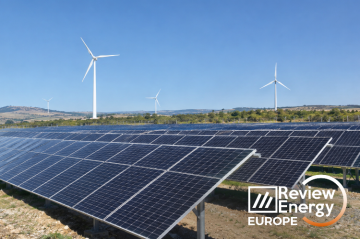
Europe's expanding solar fleet has helped the European Union avoid an estimated €20 billion in gas import costs since the outbreak of the war in the Middle East, highlighting the growing role of renewable energy in strengthening the bloc's energy security.
According to an analysis published by SolarPower Europe, solar installations across the EU prevented the purchase of billions of cubic metres of imported gas between 1 March and 15 July 2026, reducing Europe's exposure to volatile fossil fuel markets during a period of heightened geopolitical uncertainty.
Over the 137-day period, solar power generated average savings of €146 million per day, the association said. To illustrate the scale of these savings, SolarPower Europe noted that the figure slightly exceeds France's average daily defence spending, based on the country's 2025 defence budget of €52.3 billion.
The findings come shortly after solar became the European Union's largest single source of electricity in June, accounting for 25% of the bloc's power generation. The milestone reflects the rapid expansion of photovoltaic capacity across Europe and its increasing contribution to the region's electricity mix.
For Walburga Hemetsberger, CEO of SolarPower Europe, the figures demonstrate that solar energy is becoming an increasingly important strategic asset. "Every megawatt-hour generated by solar power reduces our dependence on imported fossil fuels and makes Europe safer," she said.
Hemetsberger argued that the recent savings underline the benefits of investing in domestic renewable energy while reducing exposure to external energy shocks.
Looking ahead, SolarPower Europe said the EU can further strengthen its energy resilience by accelerating electrification, expanding renewable power generation, and deploying more battery energy storage and other non-fossil flexibility solutions.
According to the association, combining these technologies would help protect European consumers and businesses from future fossil fuel price spikes while supporting the bloc's long-term energy security objectives.

Comentarios
Sé el primero en comentar...