
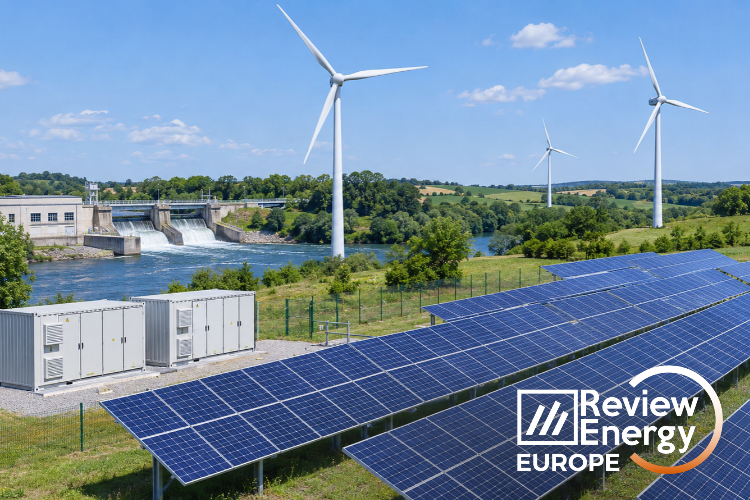


France prepares 500 MW auction for solar, wind and hydropower
France is preparing the first tender under its new PPE3 Neutre auction scheme, a technology-neutral mechanism designed to procure 500 MW or MWp of new renewable energy capacity.
The French Energy Regulatory Commission (CRE) issued a favourable opinion on the draft specifications for this first round, which will allow solar photovoltaic, onshore wind and hydropower projects located in mainland continental France to compete together.
Successful projects will be eligible for a 20-year support contract. Although energy storage will not participate as a standalone technology, the new remuneration system is intended to support renewable projects incorporating batteries.
The auction will follow the previous PPE2 Neutre scheme, which held five rounds between July 2022 and September 2026, offering a combined volume of 2,500 MW or MWp. Bidding in the programme’s final round closed on 16 October.
A common price reference for all technologies
One of the main changes introduced in the new tender will be the use of a common market price reference known as the unweighted M0.
This reference will be calculated using the average of positive or zero hourly spot-market prices recorded during the support settlement periods. The resulting value will be the same for all participating technologies.
Until now, the reference prices used in auctions could reflect each technology’s generation profile differently. The new methodology will allow solar, wind and hydropower bids to be compared under the same market signal.
CRE believes this change will improve the comparability of bids and reduce the French state’s budgetary exposure to the so-called cannibalisation risk: the tendency for electricity prices to fall during periods of high renewable generation.
However, the change will also transfer a greater share of this risk to developers. When a facility generates mainly during hours in which electricity prices are below the reference average, its market revenues could be lower than those considered when calculating the support payment.
For this reason, the regulator recommends introducing a mechanism ensuring that producers never have to repay more than the revenues they actually earned in the electricity market.
Energy storage gains prominence
The new system could particularly benefit projects combining renewable generation and energy storage.
A solar facility equipped with batteries could store part of its output during peak solar generation hours and sell it later when electricity prices are higher. This would allow the project to reduce its exposure to cannibalisation risk and improve its revenues without receiving additional support specifically allocated to storage.
According to CRE, this configuration could also optimise the use of grid connection capacity and reduce certain local grid constraints.
The regulator warns, however, that the period between the publication of the final tender specifications and the submission of bids may be too short for hybrid projects to secure all the necessary permits.
CRE therefore recommends allowing projects to participate in this first round even if the storage component has not yet obtained all its administrative authorisations. It also proposes adapting the rules governing financial guarantees for these projects.
Ceiling price set at €100/MWh
The draft specifications establish a maximum bid price of €100/MWh, a level CRE considers appropriate.
The regulator noted that France’s latest solar and onshore wind tenders received bids representing between three and five times the capacity offered, with strong competition helping to reduce the prices requested by developers.
The new auction will also incorporate supply-chain resilience criteria stemming from the European Union’s Net-Zero Industry Act (NZIA). These requirements will primarily apply to solar and wind projects.
Changes to negative-price compensation
CRE has also proposed changes to prevent the support mechanism from encouraging electricity generation during periods of negative market prices.
Its recommendation is to establish a daily grace period under which no negative-price premium would be paid for the first two hours of negative prices recorded each day.
The regulator also considers that the continuous intraday market should not be used as the reference for calculating this compensation, due to its lower liquidity and the difficulty of establishing a sufficiently representative indicator.
Simplified rules for solar projects
The design of the tender will ease some of the restrictions applied to solar projects under previous technology-neutral auctions.
CRE welcomed the relaxation of the maximum capacity that can be submitted by an individual photovoltaic facility and the removal of distinctions between different types of land used for ground-mounted solar plants.
According to the regulator, these changes will simplify the application process and strengthen the technology-neutral nature of the auction.
CRE’s favourable opinion represents a preliminary step before the final approval of the specifications and the formal launch of the tender. Once published, the first PPE3 Neutre round will allow different renewable technologies to compete under a common economic framework while creating new opportunities for hybrid projects incorporating energy storage.


Comentarios
Sé el primero en comentar...