


French renewable energy sector proposes 27 measures to accelerate renewables, boost energy storage and strengthen power grids
France's Renewable Energy Syndicate (Syndicat des énergies renouvelables, SER) has presented 27 proposals to accelerate the energy transition and reduce the country's dependence on fossil fuels, addressing candidates ahead of the 2027 presidential election.
The document, titled L’énergie, socle d’une France souveraine, solidaire et prospère (Energy: The Foundation of a Sovereign, Inclusive and Prosperous France), outlines a transformation of the energy system combining renewable energy deployment with storage solutions, grid modernization, electrification and targeted financing mechanisms.
The association argues that France has sufficient domestic resources to expand its energy production, but warns that administrative restrictions, insufficient coordination between infrastructure projects and financial barriers could limit their development.
According to SER, fossil fuels still account for approximately 60% of France's final energy consumption, while electricity represents around 27%. The organization therefore calls for a strategy that goes beyond expanding generation capacity to include the electrification and decarbonization of industry, transport and buildings.
A five-year strategy to accelerate battery storage and energy flexibility
One of the central proposals is to establish a five-year energy flexibility plan to identify system requirements and accelerate technologies capable of managing variations in renewable electricity generation.
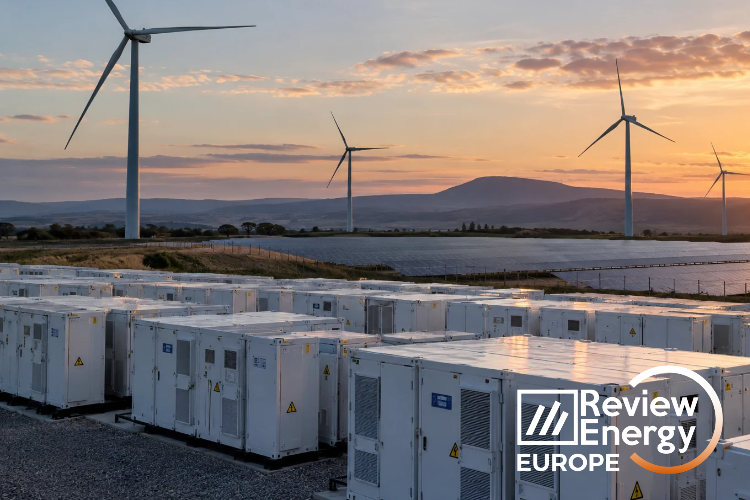
SER proposes new tenders for pumped-storage hydropower, the hybridization of renewable energy facilities and the deployment of standalone battery energy storage systems (BESS), alongside greater coordination between energy networks.
The association also calls for a dedicated regulatory framework for batteries to facilitate their deployment and enable the electricity system to make better use of periods of abundant generation.
To illustrate the potential of these technologies, the document notes that 50 GW of storage capacity with a four-hour duration would provide 200 GWh of energy per full cycle, allowing electricity generation to be shifted to periods of higher demand.
This figure is presented as a technical illustration rather than an official storage deployment target for France.
The proposal also includes demand-side management measures and innovation in energy storage technologies and power electronics.
Preferential financing and up to €10 billion from regulated savings
On financing, SER proposes that the European Central Bank (ECB) consider preferential interest rates for investments supporting the energy transition.
The association argues that solar and wind projects are particularly sensitive to financing costs because of their high upfront capital requirements.
The document references a study covering 28 European countries, according to which a 0.25-percentage-point increase in interest rates is associated with a 3.2% reduction in installed onshore wind capacity and a 5.3% reduction in solar photovoltaic capacity.
Another proposal involves creating an energy transition fund backed by private savings, potentially supported by an allocation of €5 billion to €10 billion from regulated savings instruments.
The objective would be to mobilize additional financing for clean energy technologies and investments delivering broader economic and social benefits.
SER also proposes that certain public investments in the energy transition receive special budgetary treatment and be excluded from the calculation of the European Union's 3%-of-GDP public deficit ceiling.
Greater support for self-consumption, PPAs and corporate participation
The roadmap includes measures to accelerate self-consumption and develop local energy communities and supply arrangements, encouraging electricity generation closer to consumers.
It also proposes facilitating long-term power purchase agreements (PPAs) for public entities and businesses.
For companies, SER suggests reductions or exemptions from certain energy-related taxes when they enter into qualifying long-term renewable electricity supply contracts.
The association argues that these instruments could improve electricity cost predictability, reduce exposure to price volatility and support new industrial investment.
Energy planning through 2050 and stronger grid coordination
SER is also calling for a long-term energy strategy extending to 2050, coordinating electricity demand, new generation capacity, energy storage and infrastructure expansion.
One of the challenges identified is insufficient alignment between energy planning, electricity grid development and land availability.
To address this, the association proposes stronger territorial coordination and greater involvement of regional and local authorities in energy decisions.
At the European level, SER advocates expanding energy interconnections between EU member states to improve system resilience and facilitate cross-border energy exchanges during supply disruptions or other crises.
European manufacturing and stronger cybersecurity requirements for inverters
Industrial policy is another major component of the 27 proposals.
SER supports a "Made in Europe" industrial strategy aimed at strengthening European manufacturing of equipment and components considered strategic to the energy transition.
The association argues that reducing supply chain vulnerabilities will require industrial and commercial measures that encourage domestic and European production.
At the same time, SER proposes strengthening cybersecurity requirements for renewable energy facilities, particularly regarding inverters and supervisory control systems.
Suggested measures include stricter standards for supervisory control and data acquisition (SCADA) systems, storing certain operational data on European cloud infrastructure and ensuring that operators retain control of their installations even if their relationship with equipment suppliers is interrupted.
The document also discusses the possibility of restricting critical equipment supplied by countries considered high-risk, although it does not establish or announce an immediate ban.
A roadmap for France's 2027 energy policy debate
The 27 proposals also address the affordability of the energy transition, the decarbonization of heating and cooling, agrivoltaics and the integration of renewable energy into agricultural activities.
SER argues that renewable energy expansion must be accompanied by mechanisms allowing consumers to benefit from the transition while reducing the country's dependence on imported energy.
The association calls for the next presidential term to deliver more stable energy planning, stronger financing mechanisms and closer coordination between generation, storage, grids and electricity demand.
The measures are recommendations from France's renewable energy industry for the 2027 presidential debate and have not been adopted as government policy.

Comentarios
Sé el primero en comentar...