


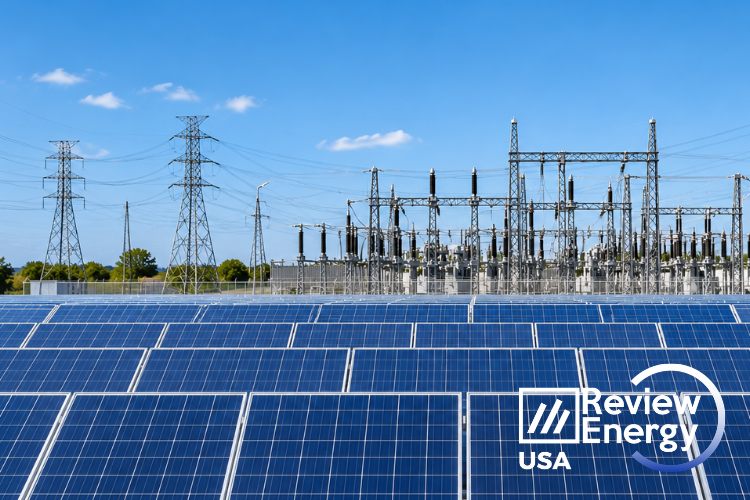


California signs new laws to advance solar, distributed energy resources and transmission
California Governor Gavin Newsom has signed a legislative package that includes several measures related to solar energy, distributed energy resources and the development of electricity infrastructure.
Among the measures approved are AB 864, related to the management of photovoltaic solar modules as hazardous waste; AB 1156, concerning photovoltaic solar facilities on land subject to agricultural contracts; AB 2493, focused on interconnection and monitoring transmission development; and SB 913, concerning the participation of aggregated distributed energy resources in resource adequacy mechanisms.
The Governor’s legislative update also includes SB 868, related to portable solar generation devices, as well as other measures linked to the operation and planning of the electricity system.
SEIA highlights the role of distributed energy resources
The Solar Energy Industries Association (SEIA) welcomed much of the package and placed particular emphasis on SB 913.
Stephanie Doyle, SEIA’s California State Affairs Director, said the measure will modernize rules so that aggregated distributed energy resources can help stabilize the grid and reduce electricity prices during periods of peak demand.
The association also said the broader package can support more reliable electricity generation and transmission while expanding access to the economic benefits associated with solar energy and other distributed resources.
Further support for solar recycling and transmission
SEIA also backed AB 864, which, according to the association, creates a pathway to advance solar panel recycling in California.
The organization also highlighted AB 1156, which will facilitate the development of solar projects on agricultural land affected by water scarcity and where farming is no longer viable, providing landowners with an alternative source of income.
Meanwhile, AB 2493 introduces provisions related to utility interconnection and the monitoring of transmission infrastructure development by the California Public Utilities Commission. SEIA said the measure will help improve the deployment of new transmission lines.
Criticism over community solar veto
Despite its positive assessment of the measures that were signed, SEIA criticized Newsom’s decision to veto AB 1813, a proposal related to a customer renewable energy subscription program.
SEIA said the decision prevents California from moving toward a viable and scalable community solar program and said it will continue working with lawmakers and the next state administration to develop such a model.
With the new legislative package, California is moving forward with updated rules to integrate distributed resources, expand transmission infrastructure and address aspects of the solar energy lifecycle, while debate over the future of community solar in the state remains open.



Comentarios
Sé el primero en comentar...