

De los 16 eventos de Energyear en 2027 a las alertas de la eólica marina alemana y la consulta de Brasil sobre baterías: el resumen semanal
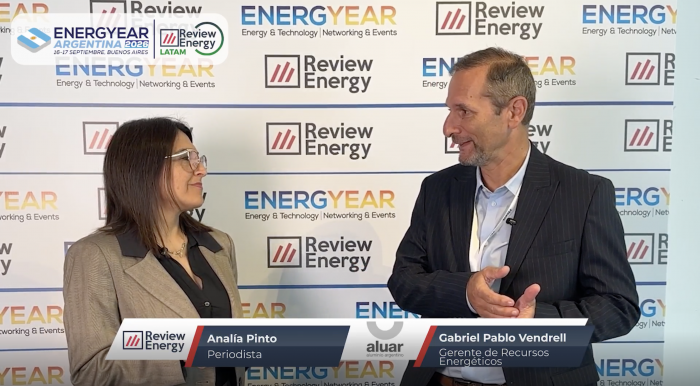
Energyear anuncia el calendario de su Tour 2027, una agenda de 16 encuentros que recorrerá mercados energéticos clave de Europa, Latinoamérica y Asia-Pacífico. El programa comenzará los días 27 y 28 de enero en Manila (Filipinas) y finalizará el día 1 de diciembre en Buenos Aires (Argentina).
Desde 2013, Energyear crea espacios especializados en los que la información, las relaciones y el desarrollo de negocio convergen. Ha celebrado más de 150 eventos y ha construido una comunidad internacional integrada por más de 50.000 ejecutivos del sector energético. El 80 % de sus participantes corresponde a perfiles decisores (entre ellos, C-level, directivos y responsables de la toma de decisiones). En 2027, la organización reforzará este modelo con encuentros adaptados a la realidad de cada mercado y una comunidad internacional conectada en torno a las energías renovables, el almacenamiento, las redes, la digitalización, la inversión, los datacenters y el autoconsumo.
Germany’s proposed reform of the Offshore Wind Energy Act (Windenergie-auf-See-Gesetz, WindSeeG) seeks to improve the economic viability of offshore wind projects, but the industry argues that the planned tendering framework may not be enough to unlock investment. The German Offshore Wind Energy Association (Bundesverband Windenergie Offshore, BWO) is calling for a Contracts for Difference (CfD)-only model, indexation and a mechanism to return and retender projects at risk of not being built.
The German Bundestag held the first reading of the government’s draft law on optimising and securing the expansion of offshore wind energy (Entwurf eines Gesetzes zur Optimierung und Absicherung des Ausbaus der Windenergie auf See, Bundestag document 21/8238) on October 8. The draft introduces a two-stage tendering model in which CfDs would serve as a backstop when market conditions make projects too risky. It also includes measures to improve the use of offshore grid connections and extends the regulatory project lifetime from 25 to 35 years.
La Agencia Nacional de Energía Eléctrica de Brasil (ANEEL) ha abierto una consulta pública sobre la metodología para repartir el coste del Encargo de Reserva de Capacidad asociado a los sistemas de almacenamiento de energía en baterías (Ercap-SAE), mientras la Asociación Brasileña de Soluciones de Almacenamiento de Energía (ABSAE) advierte de que el debate regulatorio pone de manifiesto la necesidad de modificar antes la legislación que establece quién debe asumir este coste.
La Consulta Pública nº 37/2026, aprobada por la ANEEL el 6 de octubre, estará abierta durante 30 días, del 8 de octubre al 6 de noviembre. La propuesta establece la base de cálculo y la metodología de reparto del Ercap-SAE, un mecanismo vinculado a la contratación de sistemas de almacenamiento en baterías. La agencia aclara que la propuesta se limita a este encargo y no regula el Encargo de Reserva de Capacidad General (Ercap-Geral), con el objetivo de evitar una superposición entre ambos regímenes.
4. France introduces NZIA resilience criteria in its 13th onshore wind tender round
France has taken a further step in adapting its renewable energy tenders to the European industrial policy framework with the publication of the specifications for the 13th round of the PPE2 onshore wind tender.
The Energy Regulatory Commission (CRE) published the tender specifications on 7 October, together with its opinion on the draft rules, which received a favourable assessment from the regulator.
One of the main changes is the introduction of an eligibility criterion linked to resilience, in application of the European Union’s Net-Zero Industry Act (NZIA).
California Governor Gavin Newsom has signed a legislative package that includes several measures related to solar energy, distributed energy resources and the development of electricity infrastructure.
Among the measures approved are AB 864, related to the management of photovoltaic solar modules as hazardous waste; AB 1156, concerning photovoltaic solar facilities on land subject to agricultural contracts; AB 2493, focused on interconnection and monitoring transmission development; and SB 913, concerning the participation of aggregated distributed energy resources in resource adequacy mechanisms.

Comentarios
Sé el primero en comentar...