
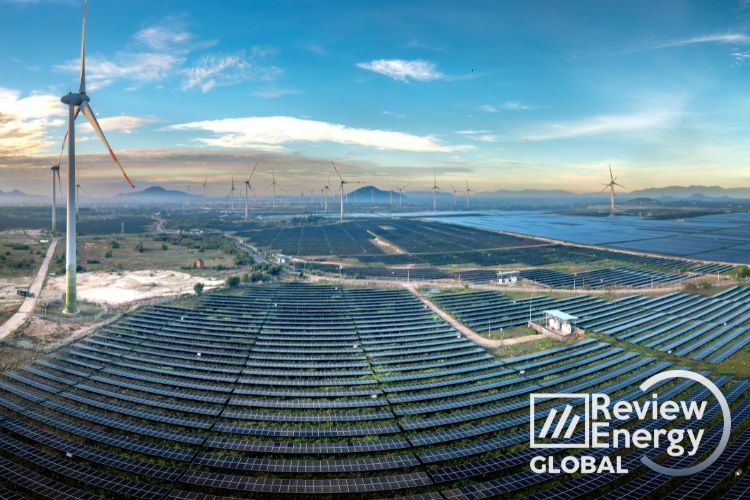


La apuesta de la Comisión Europea por modernizar las redes y el auge del autoconsumo comercial en España abren el resumen de la semana
The European Commission has unveiled plans to modernize and expand the EU’s energy infrastructure, aiming to lower electricity costs, integrate more renewable energy, and reduce dependence on Russian fossil fuels.
The European Grids Package and the Energy Highways initiative will improve cross-border electricity flows, accelerate electrification, and ensure a secure and reliable energy supply across Member States. The initiatives also introduce a new European-level approach to planning, streamlining permits and promoting fair cost-sharing for infrastructure projects.
Eight key “Energy Highways” projects have been identified as priorities to address urgent infrastructure needs. The Commission will fast-track their implementation through enhanced coordination with Member States and regional energy coordinators.
La Unión Española Fotovoltaica (UNEF), que representa a más del 90% del sector fotovoltaico y del almacenamiento energético en España, ha publicado su estimación de la evolución del autoconsumo a cierre del tercer trimestre de 2025.
Los datos muestran una tendencia desigual: mientras las instalaciones de autoconsumo en los hogares caen un 15% respecto al trimestre anterior, los comercios aumentan sus nuevas instalaciones en un 25%, y la industria mantiene un ritmo estable.
UNEF advierte de que el crecimiento del autoconsumo sigue muy por debajo de los objetivos del Plan Nacional de Energía y Clima (PNIEC), que fija una meta de 19 GW en 2030. La asociación atribuye esta brecha a las barreras administrativas actuales y a la falta de incentivos suficientes para acelerar las inversiones.
The EU installed 65.1 GW of new solar PV in 2025, marking a slight 0.7% decline from 65.6 GW in 2024. This is the first year-on-year drop since 2016 and signals a slowdown that is expected to continue in 2026 and 2027. According to SolarPower Europe’s EU Solar Market Outlook 2025-2030, the market is only expected to return to 2025 installation levels by the end of the decade.
The United Kingdom has unveiled a major initiative to reinforce its clean energy supply chains and support long-term economic growth. Great British Energy (GBE) has launched the £1 billion Energy Engineered in the UK (EEUK) programme, designed to mobilise public and private investment, unlock critical manufacturing capacity and create thousands of skilled jobs.
As part of the programme, GBE is opening its £300 million Supply Chain Fund: Offshore Wind & Networks, aimed at tackling urgent bottlenecks in essential components for the energy transition. These include blades, turbines, transmission cables and converter stations, all crucial for offshore wind deployment and grid development.
According to GBE, the fund will help expand domestic manufacturing capacity and ensure the UK remains a leading force in offshore wind and electricity network innovation. The initiative forms a central pillar of the UK Government’s modern Industrial Strategy, which outlines a ten-year plan to stimulate investment, create high-quality employment and strengthen Britain’s competitiveness as a hub for clean energy technologies.
5. Colombia prevé producir 120.000 toneladas de hidrógeno de bajas emisiones en 2030 y 1,8 millones en 2050
El Gobierno colombiano presentó el borrador de la Política Nacional de Hidrógeno de Bajas Emisiones, un documento CONPES que establece la hoja de ruta para desarrollar el hidrógeno de bajas emisiones y descarbonizar sectores clave como transporte de carga, aviación, industria siderúrgica, cementera y producción de fertilizantes.
El plan busca reemplazar el hidrógeno fósil utilizado actualmente en refinerías y agroindustria y habilitar nuevos usos en sectores donde la electrificación no es viable. Además, la política abre oportunidades económicas en regiones con alto potencial renovable, especialmente la región Caribe, mediante la atracción de inversión, el despliegue de infraestructura y la creación de cadenas productivas asociadas a fertilizantes verdes, combustibles limpios y derivados como el amoníaco y el metanol.



Comentarios
Sé el primero en comentar...